
By Fatima Llanza – Parilla
RCAM Media
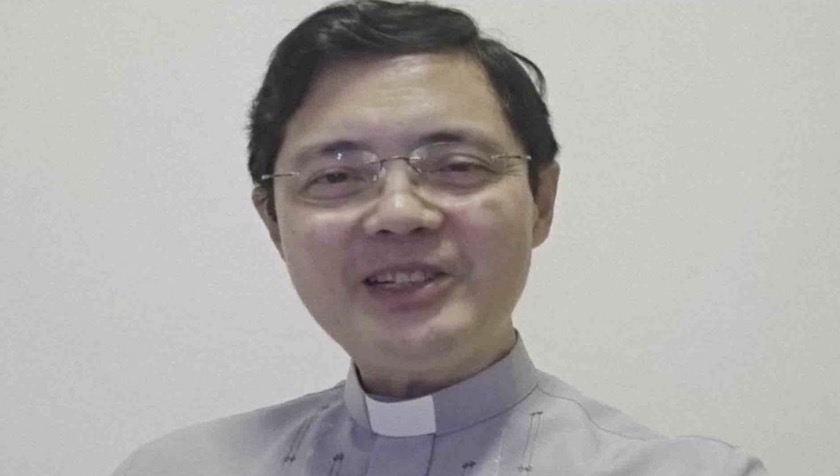
Rev. Fr. Gregory Ramon Gaston, Rector of the Pontificio Collegio Filipino, has encouraged the faithful to practice forgiveness as a response to God’s call and as an important step toward conversion, reconciliation, and unity.
In his report as Vatican Correspondent for Radyo Veritas, Fr. Gaston highlighted the Gospel message reflected on by Pope Leo XIV during the Angelus, particularly St. Peter’s question about how many times one should forgive. Jesus’ response—”77 times,” or “70 times 7,” depending on the translation—points to the call for continual forgiveness.
“Kasi ‘pag ‘pag malaking kasalanan, confession, of course, ‘no, kaya maganda sa confession, hindi lang ‘pag Holy Week, hindi lang ‘pag Lenten season, Advent season, kahit kailan pwedeng magkumpisal,” said Fr. Gaston on Radyo Veritas.
Fr. Gaston clarified, however, that forgiveness does not mean tolerating repeated abuse. He also emphasized the importance of the Sacrament of Confession, which provides an opportunity to seek God’s forgiveness and make a sincere effort to change one’s life.
He encouraged those struggling to forgive to begin with a simple step: praying for the person who hurt them and asking God to help that person change. He noted that God desires the conversion of sinners rather than their destruction.
“Lahat ng hindi natin mapatawad, pagdasal natin, ‘no. Pagdasal natin na sana magbago nga siya kasi ganun naman ang sa Panginoon.”
Fr. Gaston also said reconciliation can begin through simple gestures such as greeting someone, opening a conversation, or asking for forgiveness, even when a person believes the other party was at fault. Humility, he added, can help people recognize that they may have misunderstood a situation or contributed to a conflict.
The priest further connected the message of forgiveness with Pope Leo XIV’s recent Wednesday Audience, which discussed Gaudium et Spes and the importance of the human community and the common good. He stressed the need to create conditions that allow individuals and groups to flourish and become more fulfilled.
“Naku, ‘yan ang kailangan natin sa Pilipinas, ‘no. Yung common good na sana ay ‘yung situation, ‘yung mga circumstances na nag-a-allow, that allow the person or the groups to become more, to flourish, to become more fulfilled.”
Fr. Gaston urged families to begin this formation at home by teaching children to be honest, just, loving, and forgiving. These values, he said, can help prepare them to make a positive contribution to society.
Photo from FB / Radio Veritas